

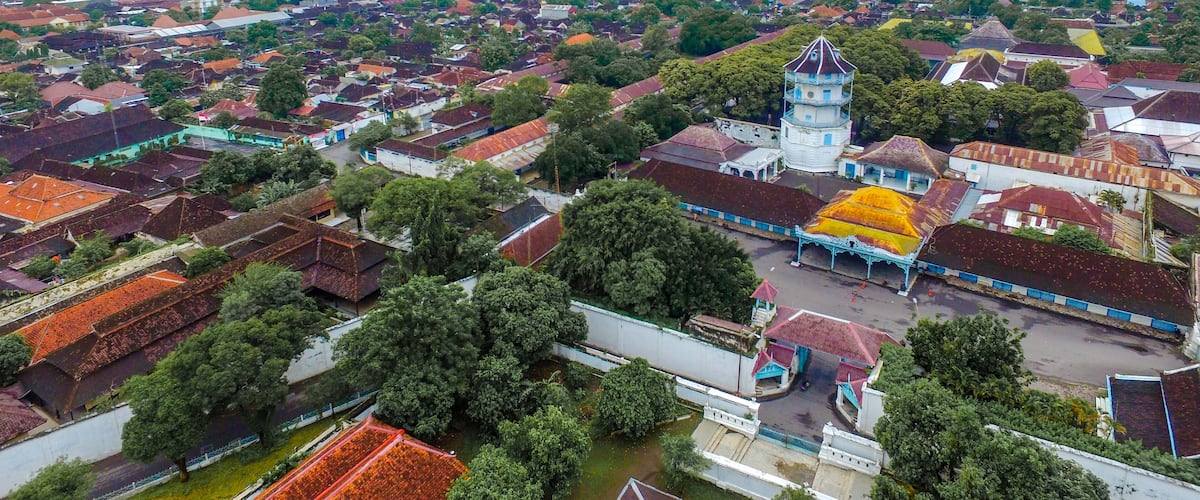
Spahotels in Surakarta
 Verander van gedachtenBoek hotels met gratis annulering
 Wees kieskeurigZoek in bijna een miljoen accommodaties wereldwijd
Controleer de beschikbaarheid van Spahotels in Surakarta
Onze beste keuzes voor hotels met een spa in Surakarta
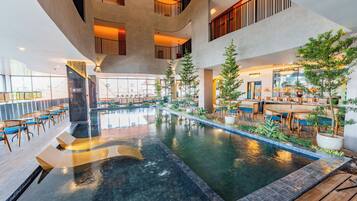

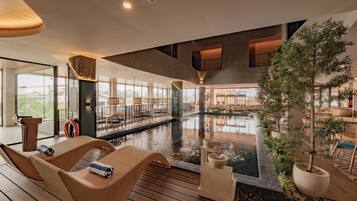
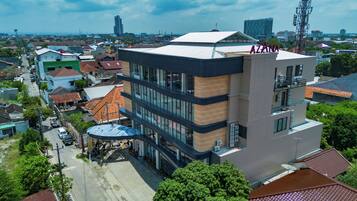
De prijs is € 37
inclusief belastingen en toeslagen
28 jul - 29 jul
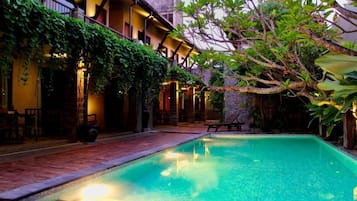


9.0 van 10, Fantastisch, (9 beoordelingen)
'Het is een schitterend hotel, heel sfeervol opgezet met een prachtige tuin. Het personeel is heel vriendelijk en behulpzaam. Wij hadden een heerlijke massage ontvangen en hebben deze per abuis 2x betaald. Het hotel heeft ervoor gezorgd dat wij via via ons geld terugontvingen in Malang. Als dat geen service is.
De kamers waren niet schoon. Een grote tegenvaller. Wij verbleven er maar 1 nacht dus konden hier wel overheen komen. Wij zouden om deze reden niet langer willen blijven.
Het eten in...

Jolanda
De prijs is € 27
inclusief belastingen en toeslagen
5 jul - 6 jul


De prijs is € 40
inclusief belastingen en toeslagen
18 jul - 19 jul



De prijs is € 64
inclusief belastingen en toeslagen
6 jul - 7 jul
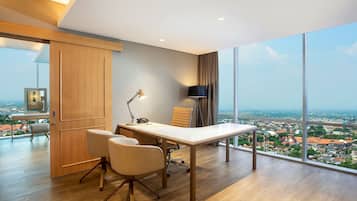
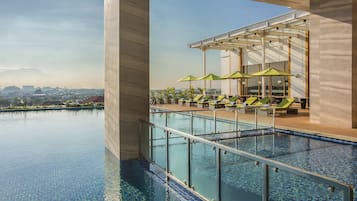

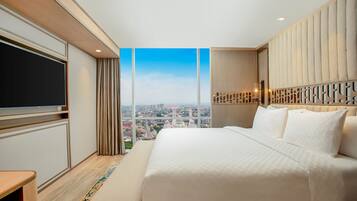
De prijs is € 42
inclusief belastingen en toeslagen
16 jul - 17 jul
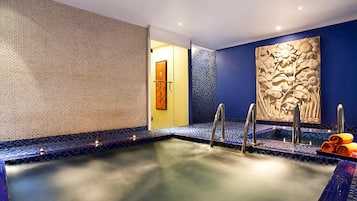


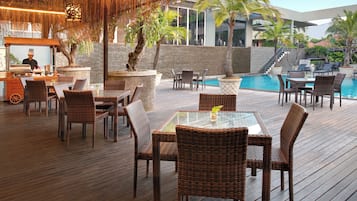
8.2 van 10, Zeer goed, (116 beoordelingen)
'A great hotel. Staff was friendly. I will surely come back again'
Soekanto
De prijs is € 34
inclusief belastingen en toeslagen
7 jul - 8 jul
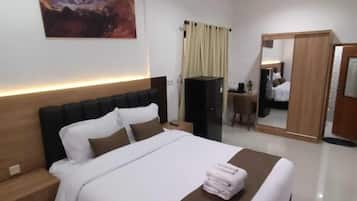

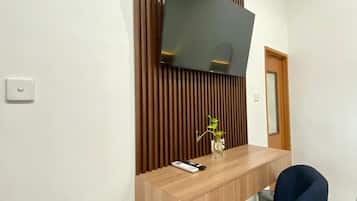

De prijs is € 15
inclusief belastingen en toeslagen
8 jul - 9 jul

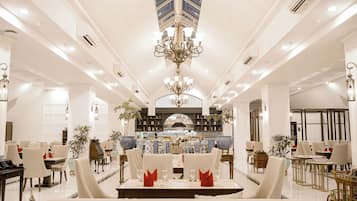

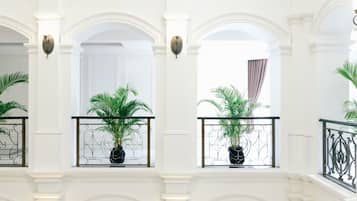
8.4 van 10, Zeer goed, (5 beoordelingen)
'
Hoewel het personeel vriendelijk was, hebben we helaas meerdere ernstige bezwaren bij ons verblijf.
De kamers zijn ruim en mooi ingericht, maar volledig ongeïsoleerd. Elk geluid van buren is letterlijk te horen, en de dunne voordeuren laten alles wat zich in de gang afspeelt – van schoonmaakgeluiden tot gesprekken – storend binnen. Aan rust kom je simpelweg niet toe.
Daarbovenop kregen we te maken met een lekkage in de badkamer, wat het comfort nog verder onder druk zette.
Wat het meest is...
Eduard alexander
De prijs is € 36
inclusief belastingen en toeslagen
7 jul - 8 jul
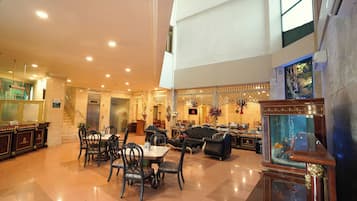

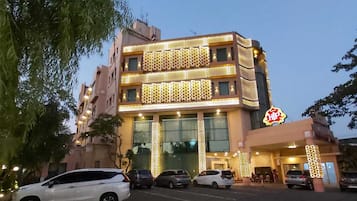


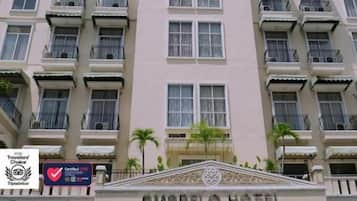

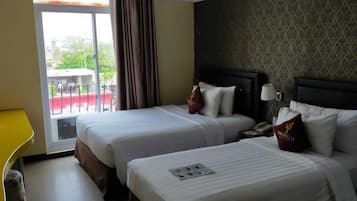
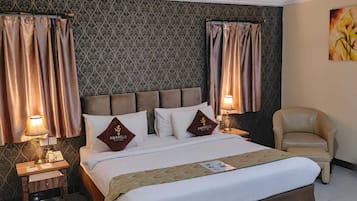

Laagste prijs per nacht gevonden in de afgelopen 24 uur op basis van een verblijf van 1 nacht voor 2 volwassenen. Prijzen en beschikbaarheid kunnen wijzigen. Mogelijk gelden er extra voorwaarden.
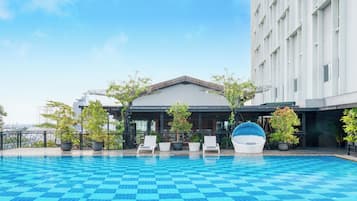
Spahotels met een zwembad in Surakarta

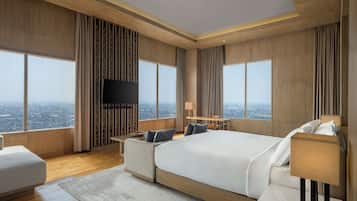
De prijs is € 64
inclusief belastingen en toeslagen
6 jul - 7 jul


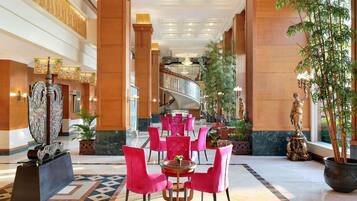




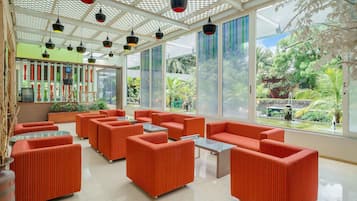

Spahotels met gratis ontbijt in Surakarta
De prijs is € 64
inclusief belastingen en toeslagen
6 jul - 7 jul


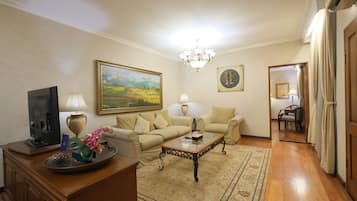
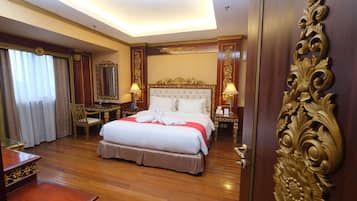
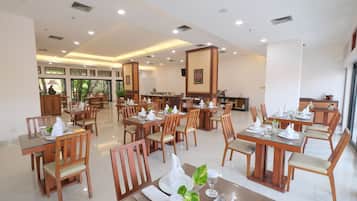
Laagste prijs per nacht gevonden in de afgelopen 24 uur op basis van een verblijf van 1 nacht voor 2 volwassenen. Prijzen en beschikbaarheid kunnen wijzigen. Mogelijk gelden er extra voorwaarden.