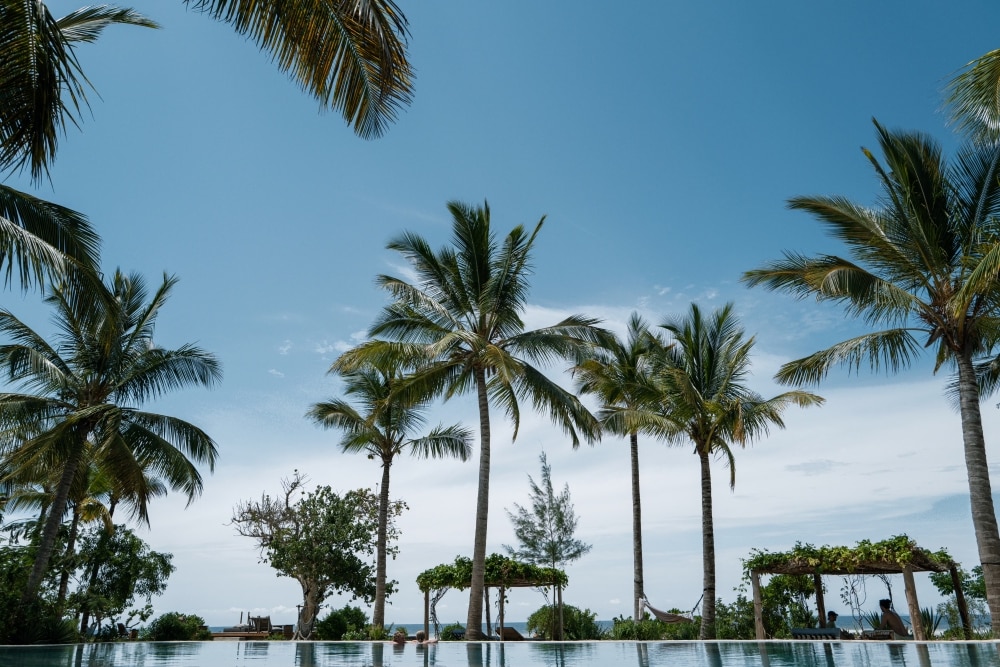


Vind je ideale hotel in Tegalrejo
 Verander van gedachtenBoek hotels met gratis annulering
 Wees kieskeurigZoek in bijna een miljoen accommodaties wereldwijd
Probeer eens iets anders dan je gebruikelijke verblijf in Tegalrejo
Huisdiervriendelijk
Bubbelbad
Zwembad
Appartement
Villa
Resort
Flat
Gezinsvriendelijk
Waterpark
Bekijk de prijzen voor deze datums
Vandaag
9 okt - 10 oktMorgen
10 okt - 11 oktDit weekend
9 okt - 11 oktVolgend weekend
16 okt - 18 oktOnze beste keuzes voor hotels in Tegalrejo



1. Hotel Tentrem Yogyakarta
Hotel Tentrem YogyakartaYogyakarta

Michael
€ 118
inclusief belastingen en toeslagen
11 okt - 12 okt


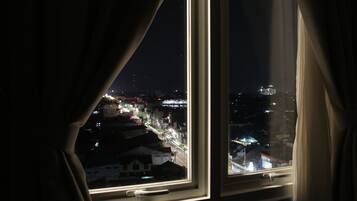

2. Uniq Hotel Yogyakarta
Uniq Hotel YogyakartaCentrum van Yogyakarta

Cem
€ 19
inclusief belastingen en toeslagen
14 okt - 15 okt
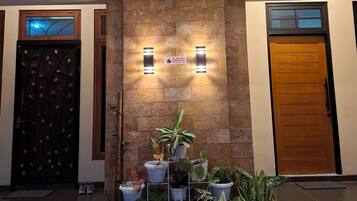
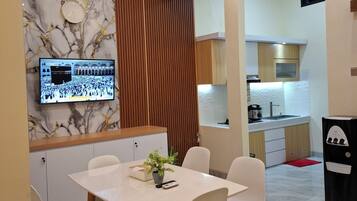
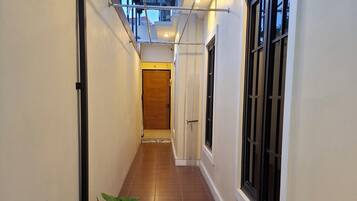
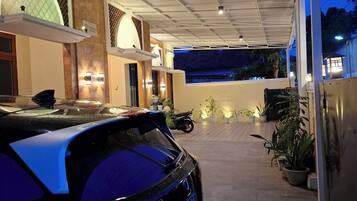
3. Tentrem Madani
Tentrem MadaniYogyakarta
€ 88
inclusief belastingen en toeslagen
10 okt - 11 okt


4. Allure Villa Yogyakarta
Allure Villa YogyakartaYogyakarta
€ 66
inclusief belastingen en toeslagen
11 okt - 12 okt
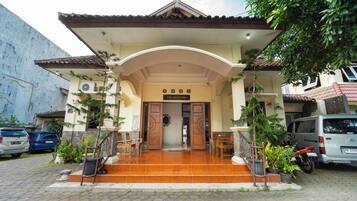
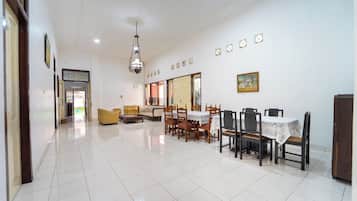
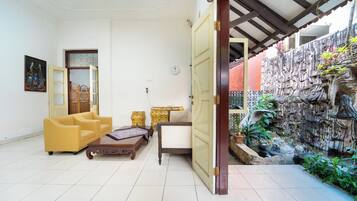
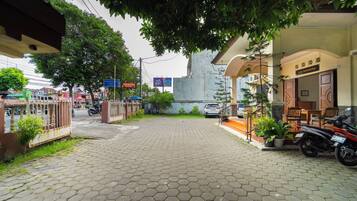
5. Griya Sastrowardoyo by ARBA
Griya Sastrowardoyo by ARBAYogyakarta
€ 16
inclusief belastingen en toeslagen
10 okt - 11 okt
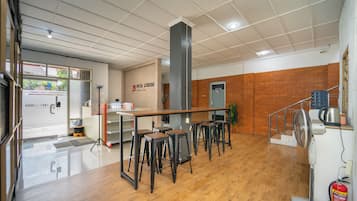
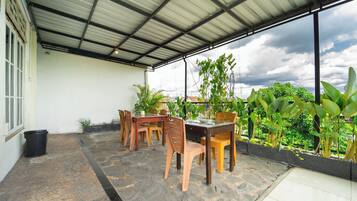


6. Peta Lodge Backpacker Hostel
Peta Lodge Backpacker HostelCentrum van Yogyakarta
€ 8
inclusief belastingen en toeslagen
11 okt - 12 okt




7. Top Malioboro Hotel
Top Malioboro HotelCentrum van Yogyakarta
€ 21
inclusief belastingen en toeslagen
18 okt - 19 okt


8. The Utara Hotel Tugu by Eresha Hospitality
The Utara Hotel Tugu by Eresha HospitalityCentrum van Yogyakarta
€ 19
inclusief belastingen en toeslagen
15 okt - 16 okt
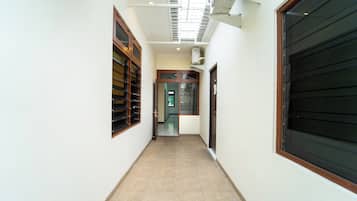
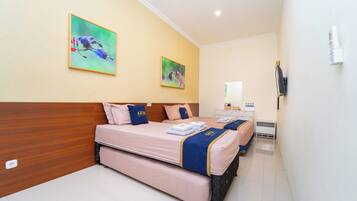
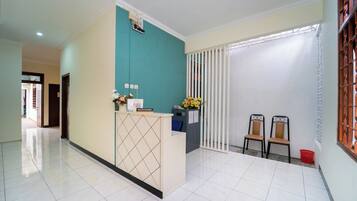

9. House Of Cokro By ARBA
House Of Cokro By ARBACentrum van Yogyakarta
€ 9
inclusief belastingen en toeslagen
12 okt - 13 okt


10. OYO 95050 Penginapan Sekarsari Syariah
OYO 95050 Penginapan Sekarsari SyariahYogyakarta
€ 11
inclusief belastingen en toeslagen
10 okt - 11 okt

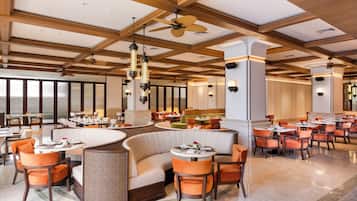

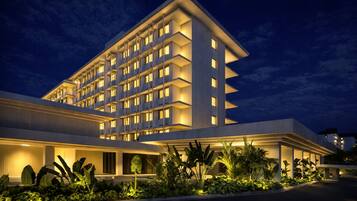
11. Grand Hotel De Djokja
Grand Hotel De DjokjaMalioboro
Helen
€ 89
inclusief belastingen en toeslagen
12 okt - 13 okt
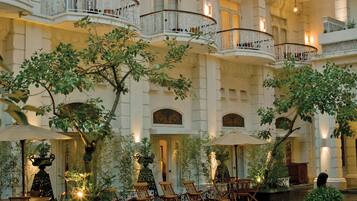



12. The Phoenix Hotel Yogyakarta - Handwritten Collection
The Phoenix Hotel Yogyakarta - Handwritten CollectionCentrum van Yogyakarta
H
€ 65
inclusief belastingen en toeslagen
12 okt - 13 okt




13. Swiss-Belboutique Yogyakarta
Swiss-Belboutique YogyakartaYogyakarta

Sonja
€ 43
inclusief belastingen en toeslagen
23 okt - 24 okt

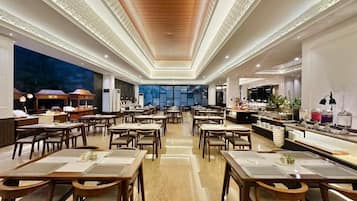

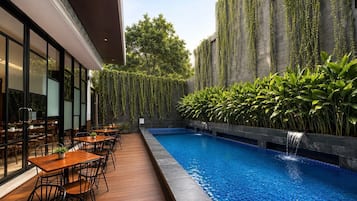
14. The Malioboro Hotel & Conference Center
The Malioboro Hotel & Conference CenterCentrum van Yogyakarta

Bambang
€ 41
inclusief belastingen en toeslagen
11 okt - 12 okt

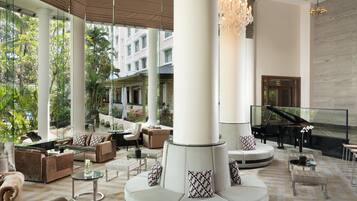

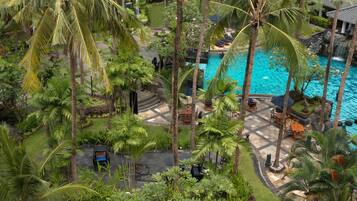
15. Melia Purosani Yogyakarta
Melia Purosani YogyakartaMalioboro
PAUL
€ 66
inclusief belastingen en toeslagen
2 nov - 3 nov


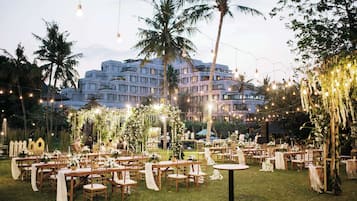

16. Hyatt Regency Yogyakarta
Hyatt Regency YogyakartaMlati
Gideon
€ 65
inclusief belastingen en toeslagen
19 okt - 20 okt


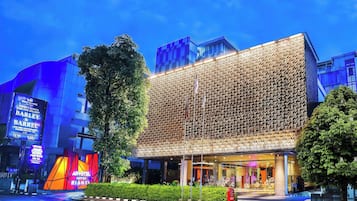

17. ARTOTEL Suites Bianti Yogyakarta
ARTOTEL Suites Bianti YogyakartaYogyakarta
€ 54
inclusief belastingen en toeslagen
18 okt - 19 okt
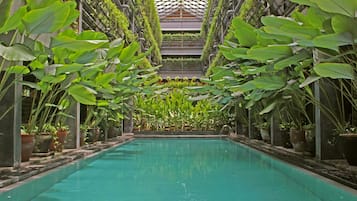



18. Greenhost Boutique Hotel
Greenhost Boutique HotelPrawirotaman
€ 29
inclusief belastingen en toeslagen
23 okt - 24 okt


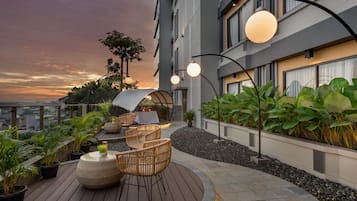

19. The Manohara Hotel Yogyakarta
The Manohara Hotel YogyakartaDepok
€ 39
inclusief belastingen en toeslagen
11 okt - 12 okt

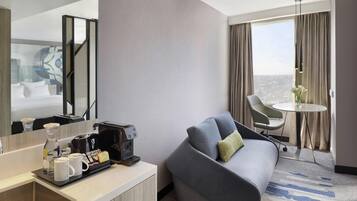


20. Novotel Suites Yogyakarta Malioboro
Novotel Suites Yogyakarta MalioboroMalioboro
€ 53
inclusief belastingen en toeslagen
11 okt - 12 okt

Bespaar gemiddeld 15% op duizenden hotels wanneer je bent aangemeld
Verblijf in de buurt van populaire bezienswaardigheden in Tegalrejo
Museum Monumen Pangeran Diponegoro
Op vakantie in Tegalrejo kun je de tentoonstellingen in Museum Monumen Pangeran Diponegoro, een museum met een rijke geschiedenis, bestuderen. Maak tijdens je verblijf in deze culturele omgeving zeker tijd voor een uitstapje naar de winkels.
Meer informatie over Tegalrejo
Ontdek het romantische Tegalrejo, zoals de spa's, de cultuur, de bars en meer!
Alle hotels in Tegalrejo weergeven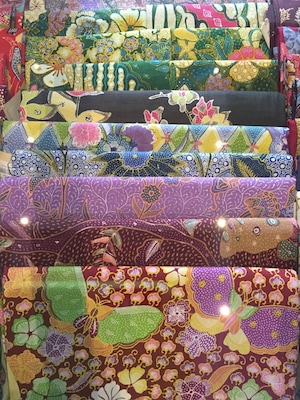
Foto van Sharrie Shaw
De beste hotelbeoordelingen voor Tegalrejo

Hotel Tentrem Yogyakarta
10/10 Voortreffelijk
"Goed hotel waar voor je geld. Ontbijt en lunch fantastisch. Personeel zeer vriendelijk en behulpzaam. We hebben genoten in dit hotel."

Novotel Suites Yogyakarta Malioboro
10/10 Voortreffelijk
"Très bel hôtel avec piscine etc. Nous avions réservé une chambre pour 4 mais le lit-canapé n’était pas très confortable, ni préparé avec les draps etc. Très bon petit déjeuner et hôtel très qualitatif. A recommander"

Yogyakarta Marriott Hotel
10/10 Voortreffelijk
"All was ok"

Greenhost Boutique Hotel
10/10 Voortreffelijk
"Heerlijk schoon verblijf op een top locatie. Personeel is vriendelijk en stelt je direct op je gemak. Het hotel is gelegen in dr toeristische straat van Yogyakarta. Op loopafstand heb je barretjes, cafes, restaurants en supermarkten. Het enige nadeel is dat de kamers niet heel veel Watt aankunnen, door bijvoorbeeld een Fohn kan de stroom in de kamer uitvallen."
Goedkope verblijven in Tegalrejo

The Pod Mangkubumi
no.95 Jl. Margo Utomo Yogyakarta DI Jogjakarta
€ 7
11 okt - 12 okt
inclusief belastingen en toeslagen

Cendhani Raras Gallery
Jl. Sidoasih No.44b, Tiyasan, Condongcatur, Kec. Depok, Kabupaten Sleman Depok D.I Yogyakarta
€ 8
12 okt - 13 okt
inclusief belastingen en toeslagen

Florens Inn
Jl. Tentara Zeni Pelajar No.23 Yogyakarta Jawa Tengah
€ 13
15 okt - 16 okt
inclusief belastingen en toeslagen
10/10 Uitzonderlijk! (1 beoordeling)

HUBS Hostel Yogyakarta
No. 60 Jalan P. Mangkubumi Yogyakarta Jogja
€ 16
20 okt - 21 okt
inclusief belastingen en toeslagen
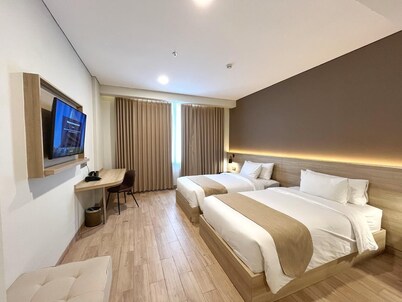
Prime UMY Hotel Convention & Dormitory
Jl. Anggrek Tegalrejo Kasihan Jogja
€ 16
10 okt - 11 okt
inclusief belastingen en toeslagen

Veelgestelde vragen
Ontdek de wereld met Expedia
- Hotels met 3 sterren in Depok
- Hotels met 3 sterren in Yogyakarta
- Hotels met 5 sterren in Yogyakarta
- Hotels in Umbulharjo
- Hotels in Centrum van Yogyakarta
- Hotels in Kampung Ketandan
- Hotels in de buurt van Sunan Kalijaga State Islamic University Yogyakarta
- Hotels in Prambanan
- Hotels in Bangunjiwo
- Hotels in Pogung Lor
- Hotels in Pakualaman
- Hotels in de buurt van Gembira Loka dierentuin
- Hotels in de buurt van Stadhuis van Sleman
- Hotels in de buurt van Prambanan-tempel
- Hotels in de buurt van Ratu Boko Palace
- Hotels in Condongcatur
- Hotels in de buurt van Gadjah Mada Universiteit
- Hotels in Prawirotaman
- Hotels in de buurt van Malioboro Street
- Hotels in Bantul
- Hotels in Sinduadi
- Hotels in de buurt van Galeria Mall
- Hotels in Balangan
- Hotels in de buurt van Winkelcentrum Malioboro
- Hotels in Depok
- Hotels in de buurt van Pasar Ngasem
- Hotels in Mlati
- Hotels in Kraton
- Hotels in Yogyakarta
- Hotels in Sleman
- Hotels in Malioboro
- Hotels in Wirobrajan
- Hotels in Gowongan
- Hotels met restaurant in Yogyakarta
- Spa in Yogyakarta
- Strand in Yogyakarta
- Historische in Yogyakarta
- Pensions in Depok
- Hotelresorts in Yogyakarta
- Vluchten van Bangkok (BKK) naar Yogyakarta (JOG)
- Vluchten van Jakarta (JKT) naar Yogyakarta (JOG)
- Vluchten van Kuala Lumpur (KUL) naar Yogyakarta (JOG)
- Vluchten van Labuan Bajo (LBJ) naar Yogyakarta (JOG)
- Vluchten van Singapore (SIN) naar Yogyakarta (JOG)
- Vluchten van Lombok (LOP) naar Yogyakarta (JOG)
- Vluchten van Amsterdam (AMS) naar Yogyakarta (JOG)
- Vluchten van Surabaya (SUB) naar Yogyakarta (JOG)
- Vluchten van Denpasar (DPS) naar Yogyakarta (JOG)
- Vluchten van Medan (KNO) naar Yogyakarta (JOG)
- Vluchten naar Depok
- Vluchten naar Yogyakarta
- Malioboro Street
- Affandi museum
- Batik Museum
- Museum Sasmitaloka Panglima Besar Jenderal Sudirman
- Bank Indonesia
- Alun Alun Kidul
- Imogiri
- Museum Monumen Pangeran Diponegoro
- Candi Kalasan
- Pakualaman-Paleis
- Sonobudoyo Museum
- Tugu Pal Putih-monument Yogyakarta
- Taman Sari
- Galeria Mall
- Sasono Hinggil DWI Abad
- Batik Plentong
- Gembira Loka dierentuin
- Grote Moskee Mataram Kotagede
- Pasar Ngasem
- Vakanties in Kotabaru
- Vakanties in Yogyakarta
- Pasar Legi Kotagede
- Yogya Kembali monument
- Bezoek Tegalrejo
- Bezoek Depok
- Bezoek Kotabaru
- Bezoek Prawirotaman
- Bezoek Kasihan
- Bezoek Pleret
- Bezoek Mantrijeron
- Bezoek Pakualaman
- Bezoek Bantul
- Bezoek Maguwo
- Bezoek Sedayu
- Bezoek Sleman
- Bezoek Gondomanan
- Bezoek Catur Tunggal
- Bezoek Malioboro
- Bezoek Centrum van Yogyakarta
- Bezoek Kalasan
- Bezoek Bijzonder District Jogjakarta
- Bezoek Kraton
- Bezoek Sinduadi
- Bezoek Sewon
- Bezoek Yogyakarta
- Bezoek Condongcatur