

Onze Lieve Vrouwekerk


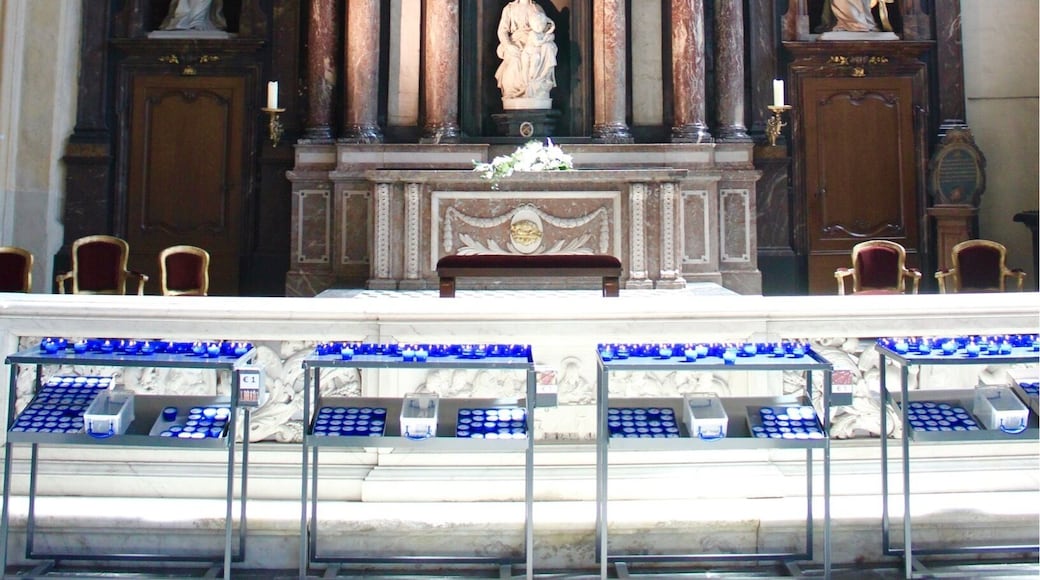
Bezoek Onze Lieve Vrouwekerk
Browse tours and tickets to explore Onze Lieve Vrouwekerk
Tours & daguitstapjes
Alle 123 activiteiten bekijken
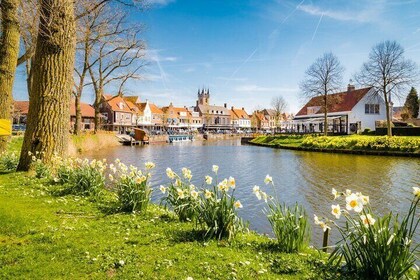
Dagtrip Brugge vanuit Amsterdam
De activiteit duurt 12 uur
8.8 van 10 met 90 beoordelingen
Gratis annulering mogelijk

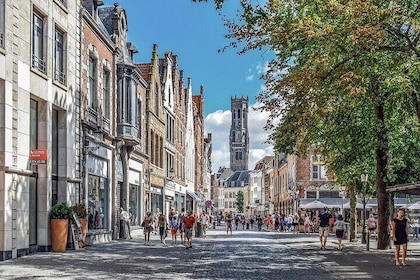


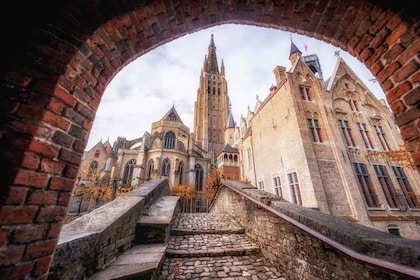

Privé- & gepersonaliseerde tours
Alle 63 activiteiten bekijken
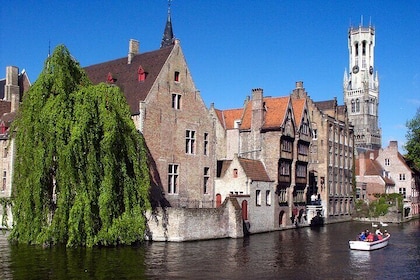
Brugge en Gent per trein in een kleine groep, inclusief een boottocht.
De activiteit duurt 10 uur en 30 minuten
9.6 van 10 met 7 beoordelingen
Gratis annulering mogelijk



Eten, drinken & uitgaan
Alle 19 activiteiten bekijken
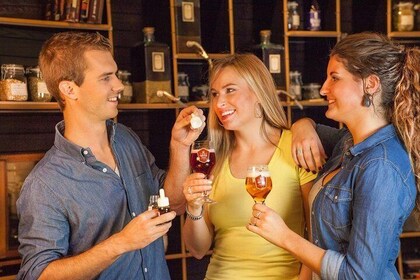
Brugge: Chocolademuseum bezoek met demonstratie
De activiteit duurt 1 uur en 30 minuten
8.4 van 10 met 248 beoordelingen
Gratis annulering mogelijk




Avontuur & buiten
Alle 13 activiteiten bekijken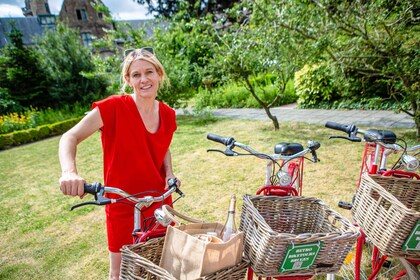
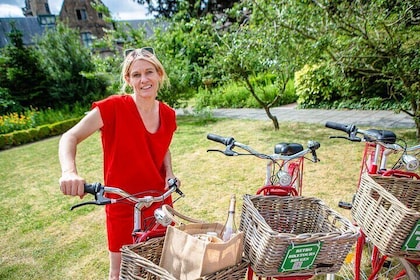
Begeleide retro-fietstocht door Brugge: hoogtepunten, verborgen pareltjes &...
De activiteit duurt 2 uur en 30 minuten
10.0 van 10 met 96 beoordelingen
Gratis annulering mogelijk


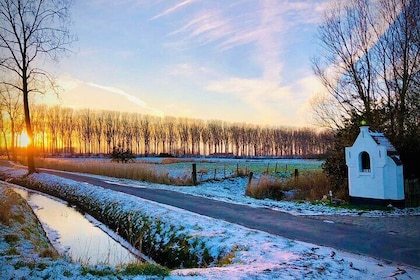
Attracties
Alle 5 activiteiten bekijken
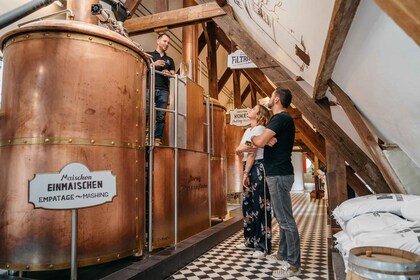
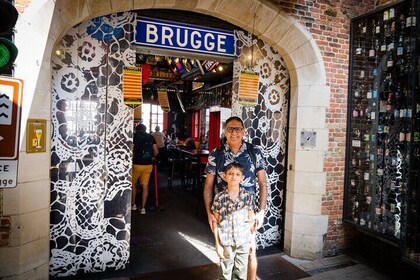
Toegangsbewijs voor het Brugs Biermuseum
De activiteit duurt 1 uur
7.6 van 10 met 10 beoordelingen
Gratis annulering mogelijk
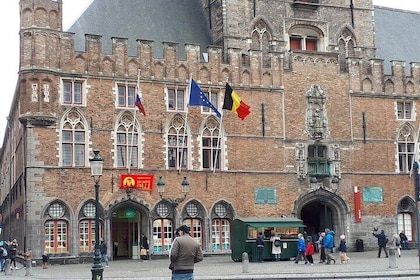

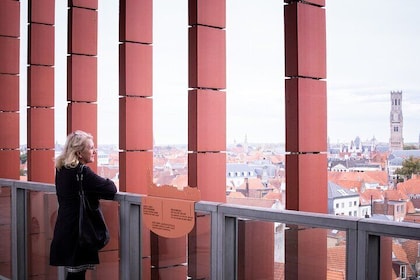
Verblijf in de buurt van populaire bezienswaardigheden in Onze Lieve Vrouwekerk
Beste hotelaanbiedingen in Onze Lieve Vrouwekerk
Controleer de beschikbaarheid van hotels in de buurt van Onze Lieve Vrouwekerk
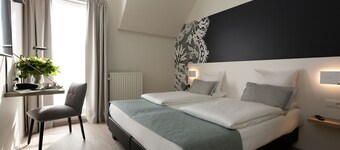
Martin's Brugge
Oude Burg 5 Bruges

Grand Hotel Casselbergh Bruges
Hoogstraat 6 Bruges

Dukes’ Palace – by Dukes’ Hotel Collection
Prinsenhof 8 Bruges

Novotel Brugge Centrum
Katelijnestraat 65b Bruges

ibis budget Brugge Centrum Station
Marie Popelinplantsoen 4 Bruges

Hotel 't Putje
't Zand 31 Bruges

Hotel Aragon
Naaldenstraat 22 Bruges

Canal View Hotel Ter Brughe by CW Hotel Collection
Oost-Gistelhof 2 Bruges
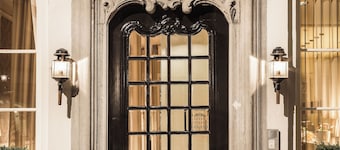
Hotel Navarra Brugge
41 St Jakobsstraat Bruges
Laagste prijs per nacht gevonden in de afgelopen 24 uur op basis van een verblijf van 1 nacht voor 2 volwassenen. Prijzen en beschikbaarheid kunnen altijd wijzigen. Mogelijk gelden er extra voorwaarden.
Ontdek de wereld met Expedia
- Hotels in de buurt van Nevelland Fietsroute - Nevellandroute
- Hotels in de buurt van Museum-Gallery Xpo Salvador Dali
- Hotels in de buurt van Brouwerij De Halve Maan
- Hotels in de buurt van Bourgogne des Flandres-brouwerij
- Hotels in de buurt van Burg
- Hotels in de buurt van St. Jans Hospitaal - Hans Memling-museum
- Hotels in de buurt van Belfort van Brugge
- Hotels in Brugge
- Hotels in de buurt van Stadhuis van Brugge
- Hotels in de buurt van Begijnhof
- Hotels in West-Vlaanderen
- Hotels met 5 sterren in Brugge
- Hotels met 4 sterren in Brugge
- Particuliere vakantiehuizen in West-Vlaanderen
- B&B in West-Vlaanderen
- Blokhutten in West-Vlaanderen
- Hostels in West-Vlaanderen
- Herbergen in West-Vlaanderen
- Herbergen in Brugge
- Particuliere vakantiehuizen in Brugge
- Hostels in Brugge
- Aparthotels in Brugge
- Blokhutten in Brugge
- Hotelresorts in Brugge
- Appartementen in Brugge
- Vakantieparken in Brugge
- B&B in Brugge
- Hilton Hotels in Brugge
- Four Seasons-hotels in Brugge
- Nh Hotels in Brugge
- Marriott Hotels & Resorts in Brugge
- Fletcher-Hotels in Brugge
- Romantik Hotel in Brugge
- Hotels met parkeerplaatsen in Brugge
- Hotels met sauna in Brugge
- Avonturen in Brugge
- Golf in Brugge
- Boetiek in Brugge
- Huisdiervriendelijke in Brugge
- Hotels met casino in Brugge
- Romantische in Brugge
- Hotels met roomservice in Brugge
- Budget in Brugge
- Familie in Brugge
- Hotels met uitzicht op zee in Brugge
- Luxe in Brugge
- Strand in Brugge
- Spa in Brugge
- Hotels met gratis ontbijt in Brugge
- Spa in West-Vlaanderen
- Hotels met restaurant in West-Vlaanderen
- Hotels met sauna in West-Vlaanderen
- Luxe in West-Vlaanderen
- Romantische in West-Vlaanderen
- Familie in Brugge Centrum
- Hotels met parkeerplaatsen in Brugge Centrum
- Budget in Brugge Centrum
- Historische in Brugge Centrum
- Hotels met parkeerplaatsen in Historisch centrum van Brugge
- Hotels met zwembad in Historisch centrum van Brugge
- Vakanties in Brugge
- Kinepolis Brugge
- Kathedraal Sint Salvador
- Rooms Convent
- Vakanties in Assebroek
- Absolute Art Gallery
- Sint-Annakerk
- Graaf Visartpark
- Vakanties in Brugge Centrum
- Minnewater
- St. Jans Hospitaal - Hans Memling-museum
- Begijnhof
- Vakanties in West-Vlaanderen
- Heilig-Bloedbasiliek
- Groeningemuseum
- De Markt van Brugge
- Gentpoort
- Het Engels klooster
- Belfort van Brugge
- Brouwerij De Halve Maan
- Hof Bladelin
- Choco-Story
- Sint-Salvatorskathedraal
- Brugse Kerstmarkt
- Burg
- Bezoek Brugge
- Bezoek West-Vlaanderen
- Huurauto's van Europcar in West-Vlaanderen
- Autoverhuur in de buurt van Brugge Centrum
- Autoverhuur in Brugge
- Autoverhuur in de buurt van Brouwerij De Halve Maan
- Autoverhuur in de buurt van De Markt van Brugge
- Autoverhuur in de buurt van Park Sebrechts Brugge
- Autoverhuur in de buurt van West-Vlaanderen